


building construction II
project one
Skeletal Construction:
Bus Shelter
PROJECT BRIEF
The objectives of this project are as follows:
1. To create an understanding of skeletal structure and its relevant structural components
2. To understand how a skeletal structure reacts under loading.
3. To demonstrate a convincing understanding of how skeletal construction works.
3. To be able to manipulate skeletal construction to solve an oblique design problem.
PROJECT TASK
1. Form a group of 5-6 people. Task is to construct a temporary bus shelter according to the following specifications:
1. SCALE: Your bus shelter should be constructed to accommodate 5-6 people (1:5). Max height is 600mm.
2. CONSTRUCTION: It should demonstrate the knowledge of skeletal frames and its joints. It must clearly define all building components such as roof, column, walls and floor. The structure should be elevated at least 50mm from the ground.
3. FORM: Choose any 2 combinations of the following forms for the bus shelter:
A. Tetrahedron
B. Square pyramid
C. Hexagonal pyramid
D. Cube
E. Cuboid
F. Triangular prism
G. Octahedron
H. Pentagonal prism
I. Hexagonal prism
J. Docadecahedron
K. Sphere
L. Ellipsoid
M. Kosahedron
N. Cone
O. Cylinder
4. JOINTS: The joints ashould be constructed to reflect actual joints. For example, if a group chooses recycle steel materials for the frame, the joints should be made resemble bolts and nuts etc. You are not allowed to use inapporpriate materials for joints such as rope for steel
5. Materials: You are encouraged to use recycled materials such as newspaper, pet bottles, cans, etc.
Small Heading
project two
Understanding Forces in Building Construction
PROJECT BRIEF
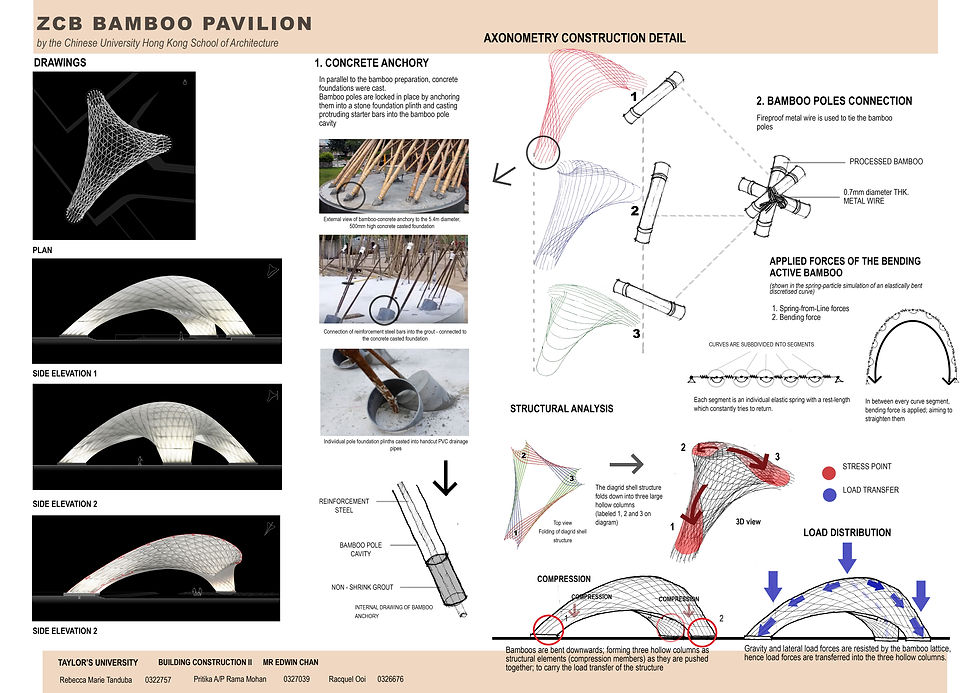
A building normally comprises of several different types of constructional systems, either due to its function or building code requirements. As designers, it is very important that you understand when and where each of the different type of constructional system is used. Today, tensile and grid shell construction methods are becoming widely used structures for building support. It provides the required load bearing resistance and aesthetics required by designers. Today, technological advancement is creating the path for innovations in building construction through exploration of materials, construction techniques and information technologies to produce more effective design approaches and features that will suit the designers’ preferences, environment needs and etc..
GROUP TASK
1. You are to propose a building (tensile/membrane construction or grid shell construction) and identify the structural systems used in the construction of the building of your choice.
2. Describe each structural system identified in terms of Function, Material and Load Distribution.
3. Produce a model on an A3 base showing the structural systems used in the above building. A detailed model showing appropriate constructional joints is encouraged.
4. Suitable scale and material to be used for the construction of the model shall depend entirely on you. However, do take note that quality and workmanship of the model produced will be considered in the assessment of this project.
5. You are then required to prepare ONE (1) A2 size sheet, utilizing both sides of the sheet. It includes, analysing the success or failure of the model together with the mitigating measures. You are also to include a brief introduction of the building, construction method from its sub-structure to super structure, modelling process as well as detailing of different parts of the buildings to show how it is constructed.
6. Students are encouraged to use annotated sketches / diagrams to explain the forces, structural movement experienced.
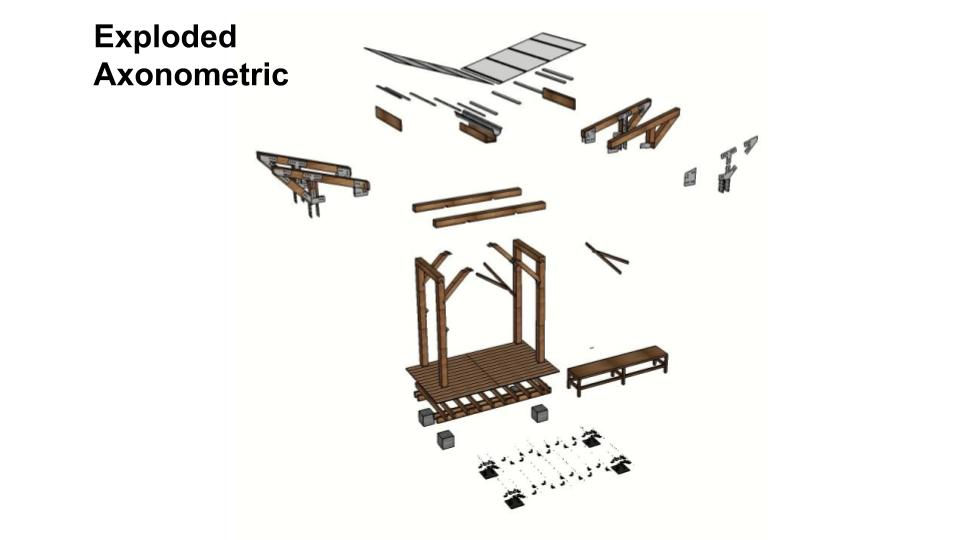
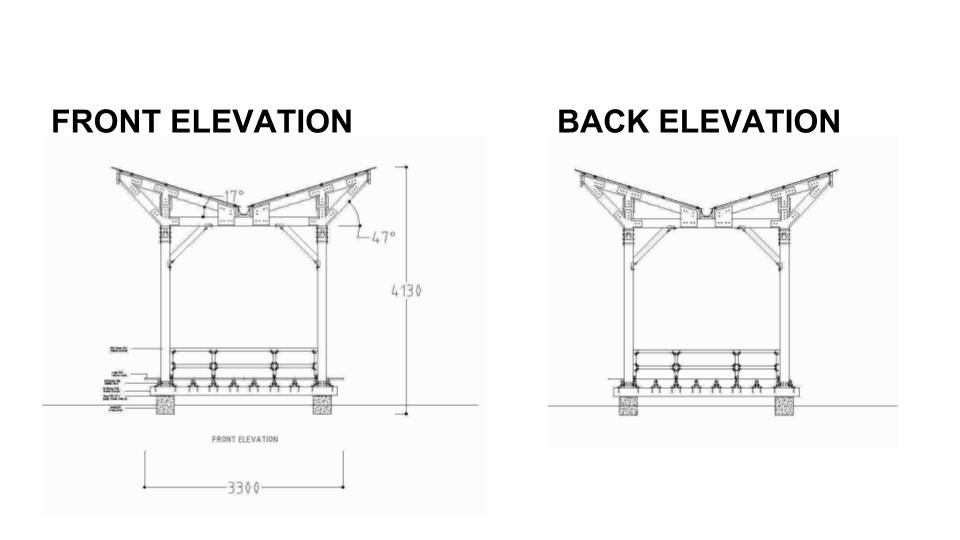
7. Additional to the above requirements, you will also need to manually draw one (2) exploded axonometric construction detail. This includes plan, elevation and section as key reference – printed.
8. The details must be complete with annotations, specifications as well as references to show your understanding on how the building is constructed.
9. Use appropriate scale for the detailing.
10. Photographs of the model and the process in making the model should also be incorporated into this A2 sized sheet.
11. The model and A2 sheet must be complete with title block format with student’s name, student ID and Tutor-In-Charge.